

Table of Contents
- Why Switch to Beeswax Food Wraps?
- What Are the Real Benefits of Beeswax Food Wraps?
- Best Foods to Store in Beeswax Wraps
- How to Clean Beeswax Wraps Properly
- Understanding Beeswax Wrap Lifespan and Repair
- Food Safety and Storage Limitations Explained
- Beeswax Wraps vs. Plastic Cling Film: The Verdict
- Conclusion: Start Your Zero-Waste Kitchen Swap
- Frequently Asked Questions
Last Updated: September 9, 2026
Why Switch to Beeswax Food Wraps?
The most common reason people switch to beeswax food wraps is to cut down on single-use plastic in their kitchens. A single roll of cling film is used for minutes before it ends up in landfill, whereas a well-maintained wrap can serve you for a year or more. This guide from West Country Honey explains how these natural cotton wraps work, where they shine, and where they fall short.
Beeswax food wraps are a reusable, plastic-free alternative to cling film and foil. They are made from cotton fabric coated with a blend of beeswax, tree resin, and jojoba oil. The warmth of your hands makes the wrap pliable, allowing it to form a breathable seal over bowls, food, or ingredients.
The appeal goes beyond waste reduction. These wraps support a zero-waste kitchen ethos while keeping your food fresh. They are biodegradable, compostable, and made from renewable materials. Below, we will cover the real benefits, the best foods to store, how to clean them, and the honest limitations you need to know before making the swap.
What Are the Real Benefits of Beeswax Food Wraps?
The genuine benefits of beeswax food wraps come down to four practical qualities: breathability, natural antimicrobial properties, reusability, and compostability. Unlike plastic, which traps moisture and encourages condensation, beeswax wraps allow food to breathe. This breathable seal helps prevent moisture retention that leads to mould, keeping items like cheese and vegetables fresher for longer.
The natural wax coating offers mild antimicrobial properties. Beeswax itself has been used historically as a preservative, and the tree resin in many wraps adds further protective qualities. While these wraps do not sanitise food, they create an environment less hospitable to bacteria than a sweaty plastic bag. For hard cheeses, the wraps allow the cheese to continue to breathe while preventing it from drying out.
A note on the evidence: Many manufacturers claim strong antibacterial effects, but the scientific picture is more nuanced. A 2019 study in the Journal of Food Protection found that beeswax-coated paper inhibited the growth of Staphylococcus aureus and Escherichia coli on contact surfaces, but the effect was modest compared to chemical sanitisers. The mechanism is twofold: the hydrophobic wax surface limits the moisture bacteria need to thrive, and propolis traces in unrefined beeswax contain flavonoids with known antimicrobial activity. However, most commercial wraps use refined beeswax, which has reduced propolis content. The tree resin (usually pine) adds a mild acidic barrier. In practice, this means wraps are excellent at slowing spoilage, but they are not a food safety device. The Food Standards Agency guidance on food hygiene is clear that no wrap replaces proper refrigeration and hygiene practices.
The reusability factor is significant. With proper care, a wrap can be used hundreds of times, and when it finally wears out, you can compost it at home or use it as a fire starter. This lifecycle stands in direct contrast to the environmental impact of cling film, which is nearly impossible to recycle due to food contamination.
Best Foods to Store in Beeswax Wraps
Knowing what to wrap is the key to getting the most from your beeswax food wraps. They excel with dry-ish, natural foods but are not suitable for raw meat or liquids.
- Hard and soft cheeses: The breathable seal prevents sweating while stopping the cheese from drying out.
- Vegetables: Cucumbers, peppers, carrots, and leafy greens stay crisp without trapped condensation.
- Bread and baked goods: Wrapping a cut loaf keeps it fresh without creating a soggy crust.
- Herbs: A wrap keeps delicate herbs like coriander and parsley hydrated.
- Bowl covers: Instead of cling film, press a large wrap over a bowl of leftovers or a proving dough.
- Cut fruit: Wrap half an avocado or lemon to slow browning.
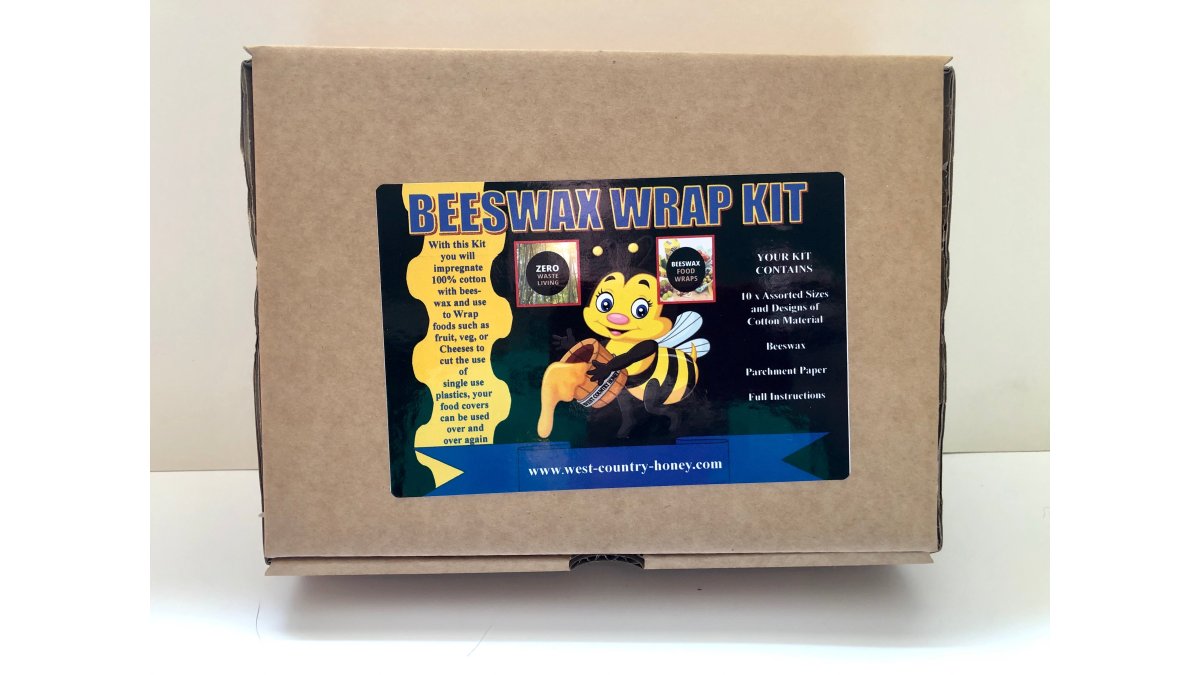
For those new to the material, a starter set is the easiest way to test different sizes. The West Country Honey Family Bundle of Beeswax Food Wraps includes four large, four medium, and four small wraps, covering everything from a sandwich to a mixing bowl. Alternatively, a Beeswax Wrap Kit lets you make your own wraps at home using cotton fabric and beeswax blocks, which is a great activity for children.


How to Clean Beeswax Wraps Properly
The single most common mistake is washing beeswax wraps in warm or hot water. Heat melts the wax coating, ruining the wrap’s structure. You must always use cold water.
To clean, rinse the wrap under cold running water with a mild dish soap. Gently scrub any food residue with your fingers or a soft sponge. Avoid abrasive brushes, which will scratch the wax. After rinsing, either pat it dry with a towel or let it air dry on a drying rack. Never put a wrap in the dishwasher or washing machine.
For stubborn stains like tomato or turmeric, a dab of cold soapy water left to sit for a minute usually lifts the mark. The wraps are hand-washable and designed for repeated daily use. With correct care, they will last far longer than you expect.
Understanding Beeswax Wrap Lifespan and Repair
A common question is, how long do they actually last? Most manufacturers rate their wraps for around 12 months of regular use. However, with consistent care, many last up to two years before the wax begins to crack or lose its clinging properties. The lifespan depends heavily on three factors: how often you wash them, what you store in them, and whether you fold or roll them for storage.
Why wraps lose their stickiness: The wax coating degrades for two reasons. First, washing strips a microscopic layer of wax each time, even with cold water and mild soap. Second, wrapping acidic foods like citrus or tomatoes slowly breaks down the resin-wax bond. You will know a wrap needs attention when it stops sticking to bowls or fails to hold a fold. The fabric may feel dry or look creased.
The re-waxing method (step by step):
- Preheat your oven to its lowest setting, usually 80°C on most UK ovens. Line a baking tray with parchment paper.
- Place the wrap flat on the tray. If it has heavy food residue, wash it first and let it dry completely.
- Grate a small amount of beeswax (about a teaspoon for a medium wrap) over the surface. You can buy food-grade beeswax pellets from craft shops or use a West Country Honey Beeswax Block.
- Heat for 2-3 minutes until the wax visibly melts and spreads. Do not leave it longer, the cotton can scorch.
- Remove and spread the melted wax quickly with a pastry brush or the edge of a knife. Work fast before it cools.
- Hang to cool for 5 minutes. The wrap should feel tacky and flexible again.
The no-oven alternative: For a single small wrap, you can rub a beeswax block directly over the surface and use a hairdryer on medium heat to melt it in. This works well for spot repairs on creased edges.
Extending lifespan between re-waxes: Store wraps flat or rolled in a drawer, never crumpled. Keep them away from radiators and direct sunlight, which accelerate wax oxidation. If a wrap develops a crack along a fold line, apply a dab of beeswax and melt it with your fingertip before it spreads.
When a wrap is beyond repair, do not bin it. The cotton and wax are biodegradable. You can cut it into strips for tying up plants in the garden, use it as kindling for a fireplace, or add it to your home compost heap, where it will break down naturally. Some UK council food waste collections also accept them, but check your local authority guidance first.
Food Safety and Storage Limitations Explained
It is crucial to understand that beeswax food wraps are not a universal replacement for plastic. There are strict limitations regarding food safety and cross-contamination.
Do not use beeswax wraps for raw meat, fish, or poultry. These items carry bacteria that can multiply if trapped against a warm, breathable surface. Raw juices will also soak into the cotton, making the wrap difficult to clean effectively. The UK Food Standards Agency guidance on raw meat storage recommends storing raw meat in sealed containers at the bottom of the fridge to prevent cross-contamination. Similarly, avoid using wraps on wet foods like cut melon or freshly washed salad, as the moisture will degrade the wax and encourage mould growth.
The wraps are also heat-sensitive. Keep them away from ovens, microwaves, and direct sunlight. Do not use them to cover a pot of hot soup, as the heat will melt the wax into your food. For hot leftovers, let the dish cool completely before covering it with a wrap.
Beeswax Wraps vs. Plastic Cling Film: The Verdict
So, how do they compare side by side? The table below summarises the key differences for everyday kitchen use.
| Feature | Beeswax Food Wraps | Plastic Cling Film |
|---|---|---|
| Material | Cotton, beeswax, resin, jojoba oil | PVC or LDPE plastic |
| Reusability | Reusable for 12+ months | Single-use only |
| End of Life | Home compostable | Landfill or difficult recycling |
| Breathability | Allows food to breathe | Traps moisture, causes condensation |
| Food Safety | Not for raw meat or hot food | Suitable for most foods |
| Cost Over Time | Higher upfront, lower long-term | Low upfront, constant repurchasing |
The verdict depends on your priorities. For environmental impact, the choice is clear. Cling film is a major contributor to single-use plastic waste in UK kitchens. Beeswax wraps, made from renewable materials, offer a sustainable food storage solution that is plastic-free and toxic-free. The WRAP UK report on household food waste and plastic highlights the need for reusable alternatives to cut household waste.
Where cling film still wins is convenience and total seal. If you need an airtight, waterproof barrier for a long time, plastic is more effective. But for the 80% of daily tasks like covering a salad bowl, wrapping a sandwich, or storing a half-onion, beeswax wraps perform admirably. The slight learning curve of moulding the wrap with your hands is a small price for a significant reduction in waste.
Conclusion: Start Your Zero-Waste Kitchen Swap
Making the switch requires a small adjustment in habit, but the payoff is a cleaner kitchen and far less rubbish heading to landfill. Start with a few wraps in the sizes you use most and keep your cling film for the rare occasions you truly need a waterproof seal.
For a full range of sizes, the West Country Honey Family Bundle is the most practical starting point, offering twelve wraps crafted with our own Somerset beeswax, organic jojoba oil, and pine resin. If you enjoy a hands-on project, the DIY Wrap Kit is a lovely way to create custom-sized wraps while learning about the material.
Get started with West Country Honey and make the swap to wraps that keep your food fresh without the plastic guilt.
Frequently Asked Questions
Do beeswax wraps actually work for food preservation?
Yes, they work well for specific foods. The breathable seal allows produce like cheese and vegetables to breathe, which slows down spoilage and condensation. They are not suitable for raw meat or foods that need an airtight seal. For keeping a cucumber fresh or a bowl covered, they perform admirably, extending freshness by a few days compared to leaving food uncovered.
What are the downsides of using beeswax wrap?
The main downsides are heat sensitivity and care requirements. They should not be used with hot food or in the microwave, as heat melts the wax coating. They also need hand-washing in cold water with mild soap; harsh scrubbing or hot water will degrade the wax. They are not fully airtight, so they are not suitable for storing raw meat or liquids for long periods.
How many times can you use a beeswax wrap before it needs refreshing?
With proper care, a good quality wrap lasts about 12 months of regular use. You can refresh the wax coating yourself to extend that lifespan further. The beeswax wrap lifespan depends on how often you use and wash it. When the wrap loses its tackiness or begins to crack, it's time to refresh it with a wax block or repurpose it.
Do beeswax wraps contain microplastics?
No, genuine beeswax wraps do not contain microplastics. They are made from a combination of organic cotton, beeswax, tree resin, and jojoba oil. These are all natural, renewable materials. At the end of their life, they are compostable and biodegradable, unlike plastic cling film which contributes to landfill waste and microplastic pollution.
This guide from West Country Honey reflects our experience producing beeswax goods from our own hives. We believe in practical, honest advice: these wraps are brilliant tools, but they work best when used for the right foods.